Educational content on gentle at-home routines to enhance posture and spinal alignment. Explore information about exercises, stretches, and daily comfort techniques.
Educational content only. No medical services. No promises of outcomes.
Learn More
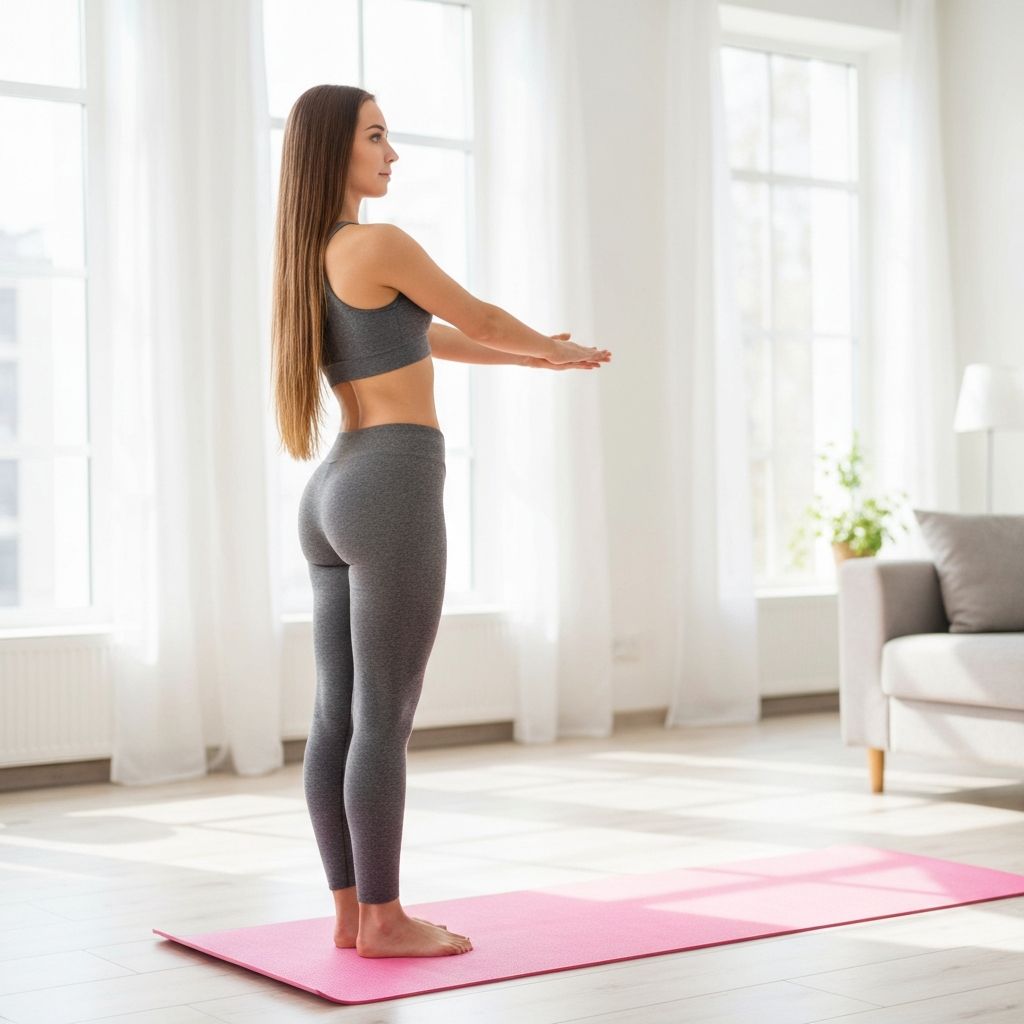
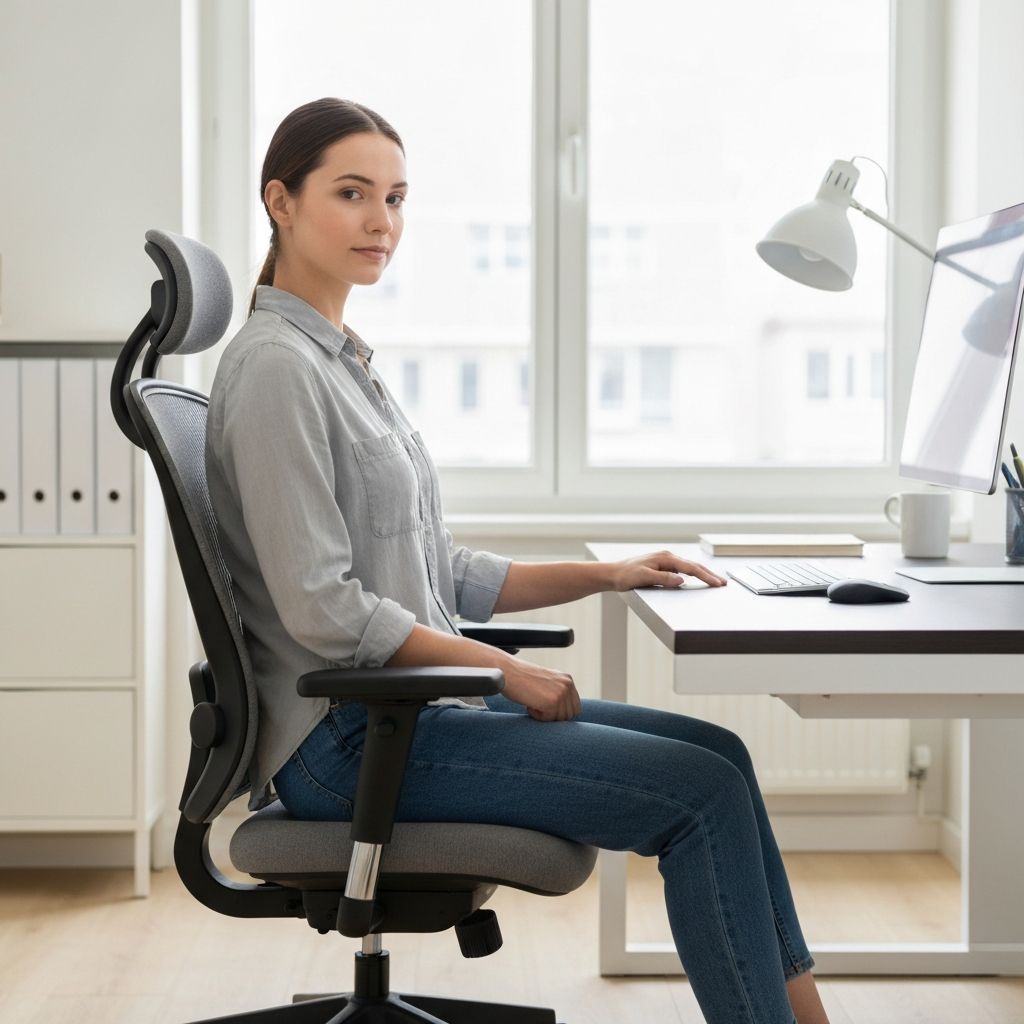
Good posture refers to the alignment of the body when standing, sitting, or lying down. Proper alignment means that the body is positioned in a way that places the least amount of strain on supporting muscles and ligaments during movement or weight-bearing activities.
Understanding posture involves learning about the natural curves of the spine: the cervical curve in the neck, the thoracic curve in the mid-back, and the lumbar curve in the lower back. These curves work together to distribute body weight and absorb shock during daily activities.
This educational resource provides information about various aspects of posture, including common patterns observed in everyday life and gentle exercises that many people incorporate into their daily routines.
The content presented here is educational in nature. Individual experiences vary, and there are many different approaches people take in their daily lives. This information does not replace personalized guidance from qualified professionals.
When the body maintains proper alignment, muscles can function more efficiently. Many people report that attention to posture helps them feel more comfortable during prolonged sitting or standing.
Proper alignment of the spine and ribcage can create more space for the lungs to expand. Many people notice that sitting or standing tall makes breathing feel easier and more natural.
Maintaining awareness of body position throughout the day is something many people find helpful for general comfort. Regular movement breaks and gentle stretches are commonly incorporated into daily routines.
Proper alignment helps distribute body weight evenly, which can contribute to a sense of stability. Many fitness and wellness approaches emphasize the connection between posture and balance.
When the body is well-aligned, movements can feel more fluid and require less effort. This is why many exercise programs include components focused on alignment and body awareness.
Developing awareness of posture can extend to other aspects of daily life. Many people find that paying attention to alignment becomes a natural part of their routine activities.
These gentle exercises are commonly included in posture-focused routines. As with any physical activity, individual experiences vary.
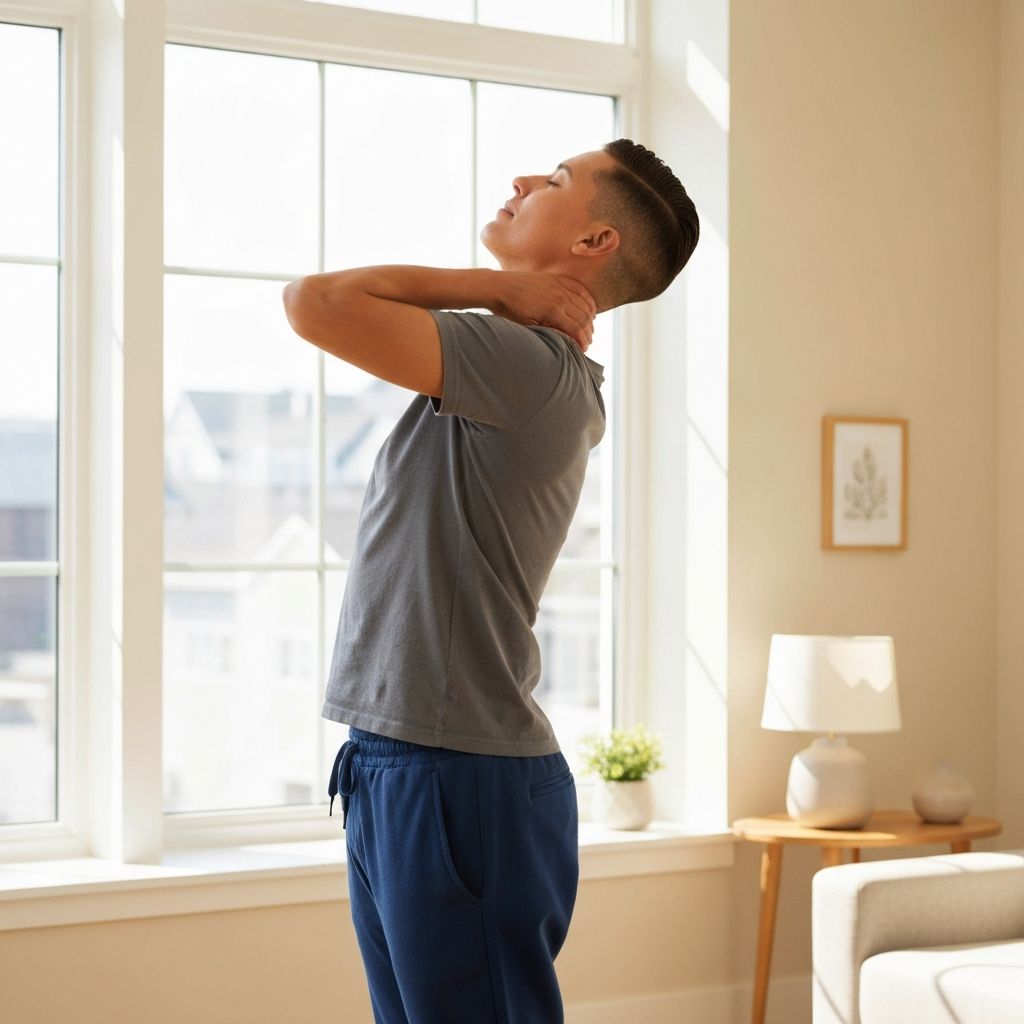
This stretch involves gently tilting the head toward one shoulder while keeping the opposite shoulder relaxed. Many people hold this position for 15-30 seconds before switching sides.
Common approach: The movement is typically performed slowly and gently, without forcing the stretch.
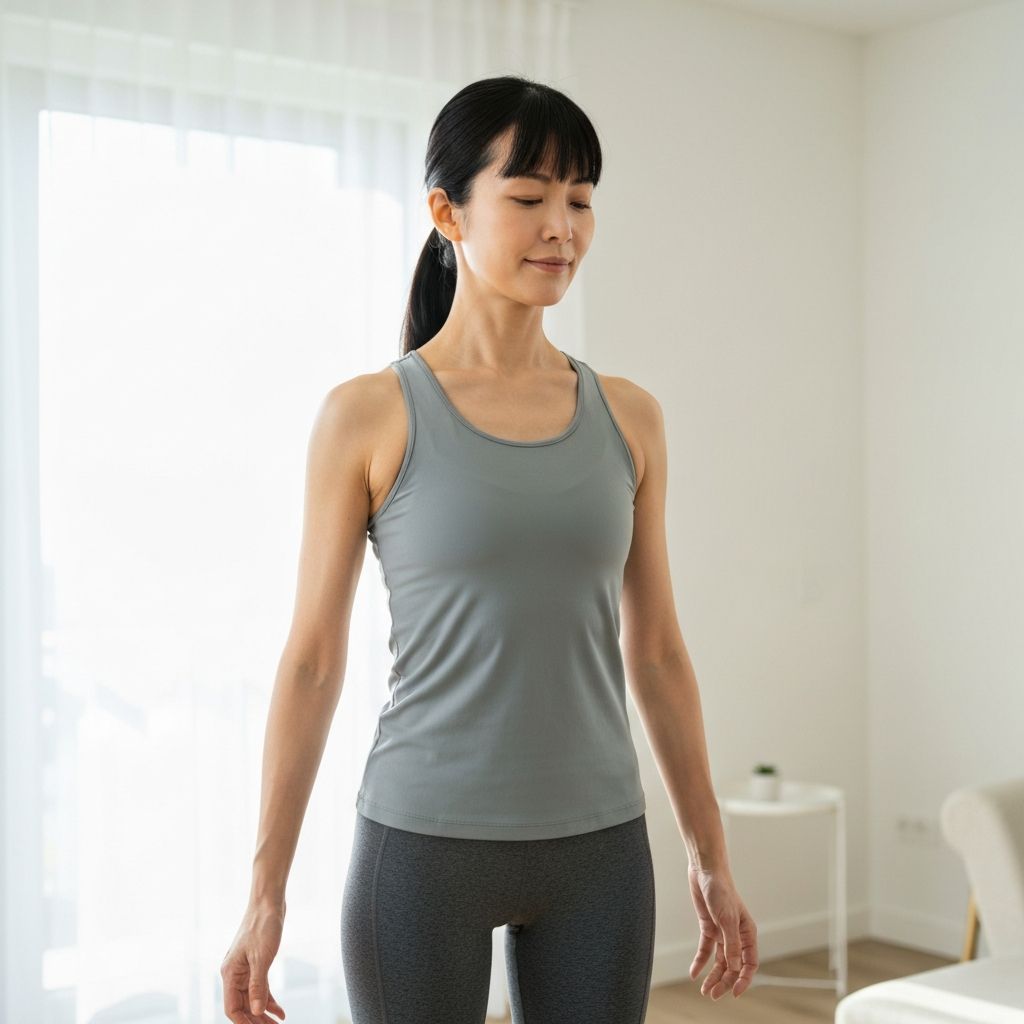
Shoulder rolls involve moving the shoulders in circular motions, first forward and then backward. This movement is often incorporated into warm-up routines or used as a break during desk work.
Common approach: People typically perform 10-15 rolls in each direction at a comfortable pace.
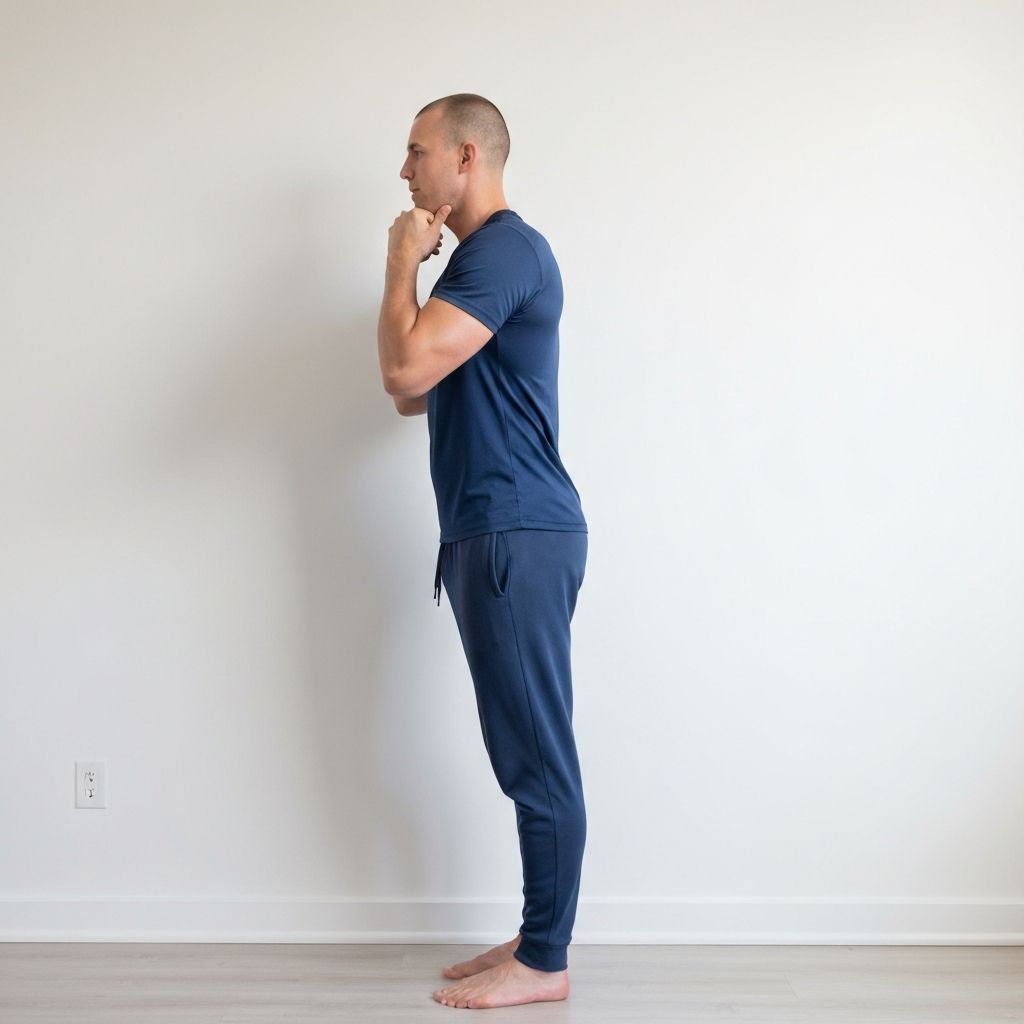
The chin tuck involves drawing the chin back while keeping the eyes level. This movement is often described in posture education materials as a way to develop awareness of head position.
Common approach: This is typically performed while standing against a wall or sitting in a chair.
These descriptions represent general information about commonly practiced exercises. Individual circumstances vary, and there are many different approaches to posture and movement. This content is educational and does not constitute personalized guidance.
Spine mobility exercises are a common component of many fitness and wellness approaches. The following describes some frequently mentioned movements.
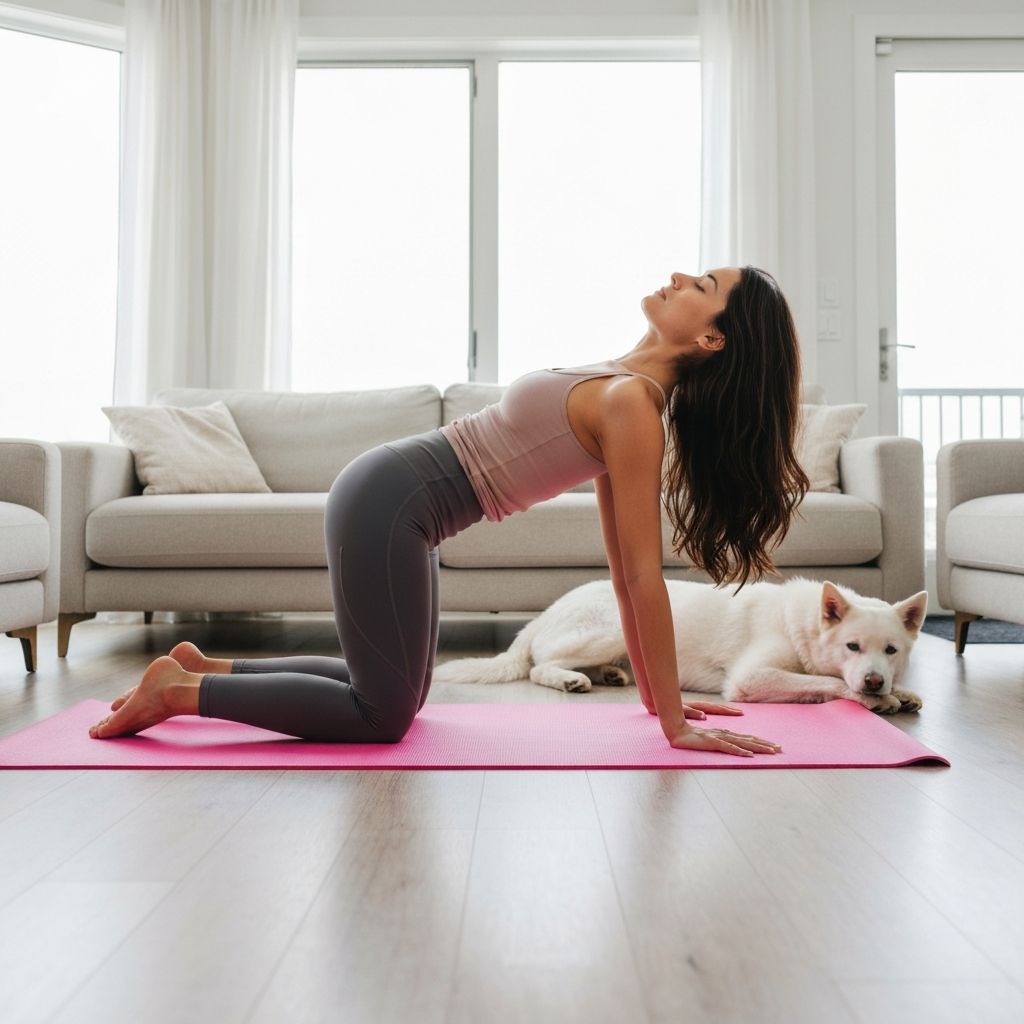
This movement alternates between arching and rounding the back while on hands and knees. It is a common component of yoga practices and general mobility routines.
General description: The movement flows between two positions, typically coordinated with breathing.
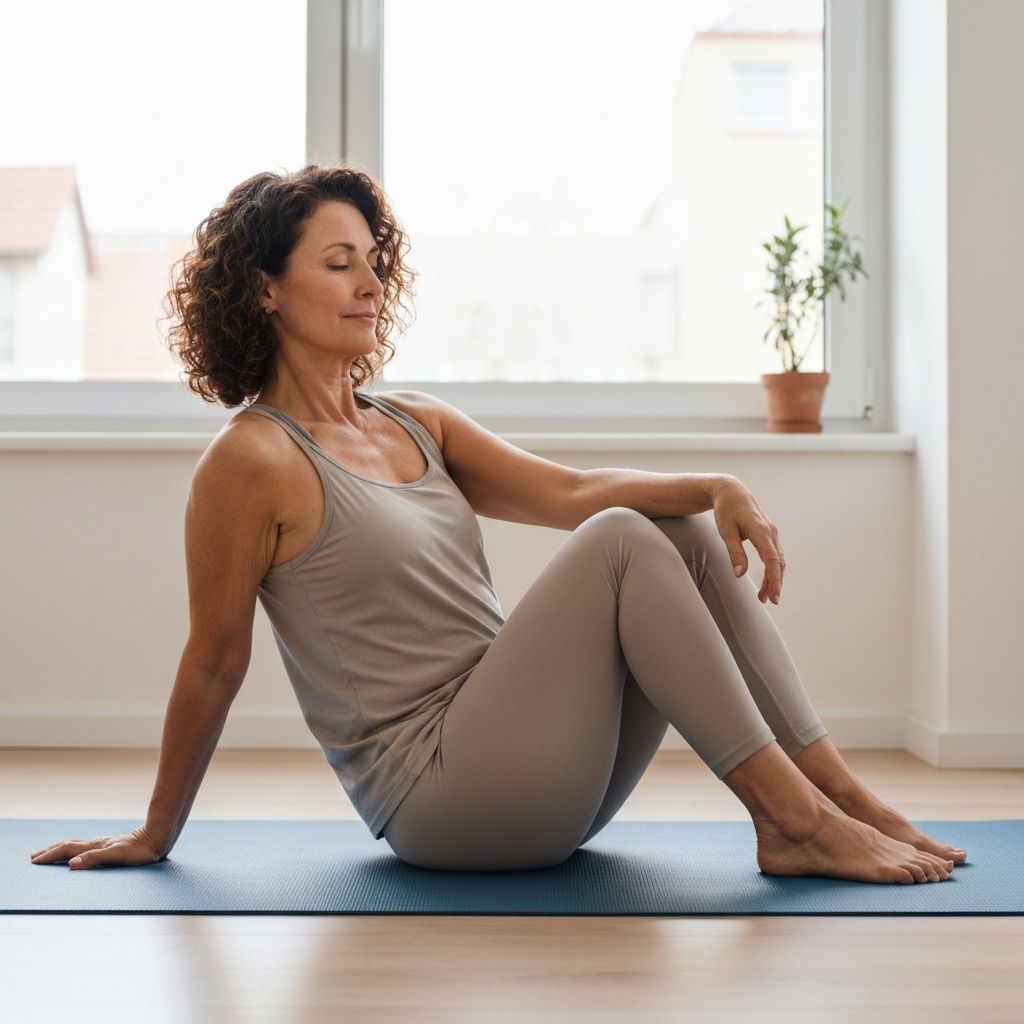
Seated twists involve rotating the torso while keeping the hips stable. This type of movement is included in many stretching and yoga routines.
General description: The rotation is typically performed gently, without forcing the range of motion.
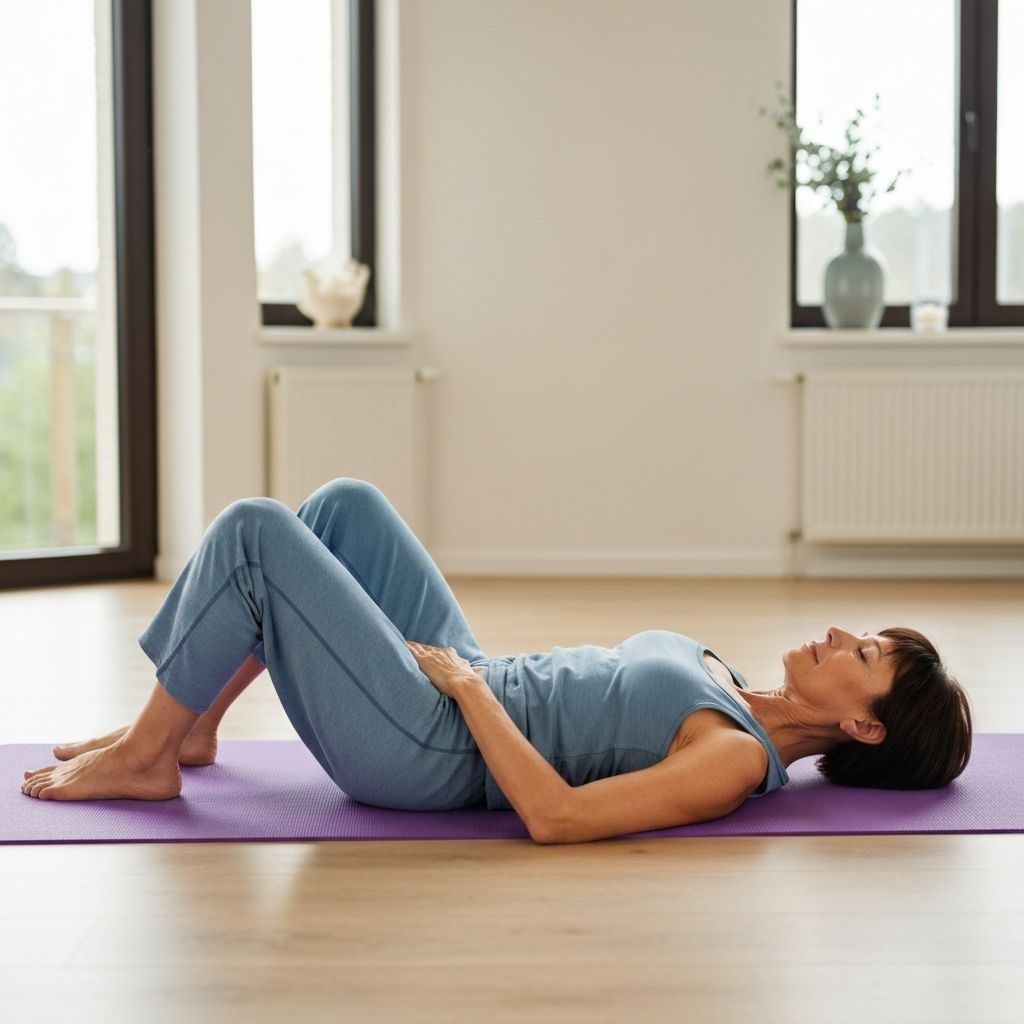
This stretch involves lying on the back and drawing one or both knees toward the chest. It is often included in routines focused on the lower back and hip area.
General description: The position is typically held for 20-30 seconds while breathing normally.
Spine mobility approaches vary widely among different fitness traditions and individual practitioners. This information provides general descriptions and does not represent specific recommendations for any individual.
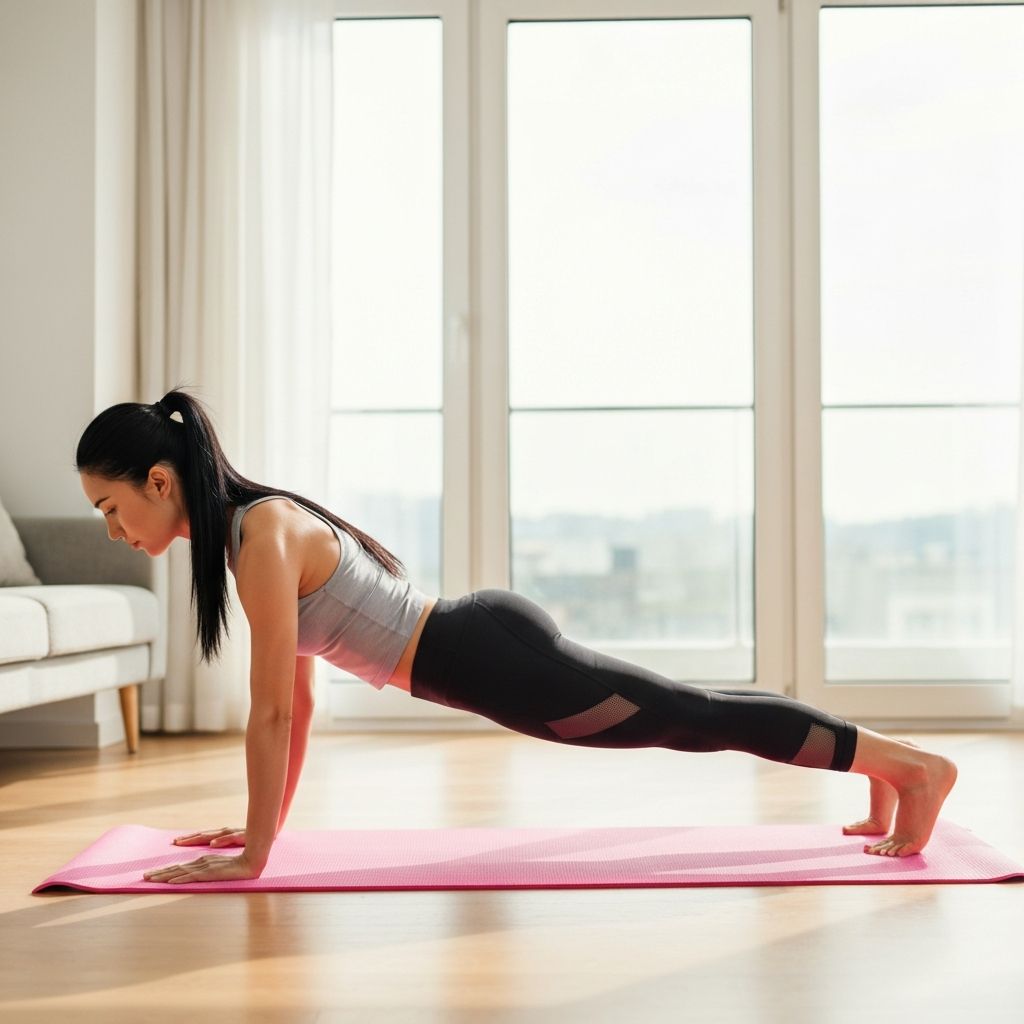
Core engagement refers to the activation of muscles in the torso, including the abdominals, obliques, and back muscles. Many fitness approaches emphasize the role of core stability in maintaining posture.
Common core-focused activities include planks, bridges, and various floor exercises. These movements are frequently incorporated into general fitness routines and are described in many exercise resources.
The relationship between core strength and posture is a topic discussed in fitness education. While many people incorporate core exercises into their routines, individual experiences and approaches vary.
Core exercises are practiced in many different ways across various fitness traditions. This content describes common approaches and does not constitute specific guidance for any individual.
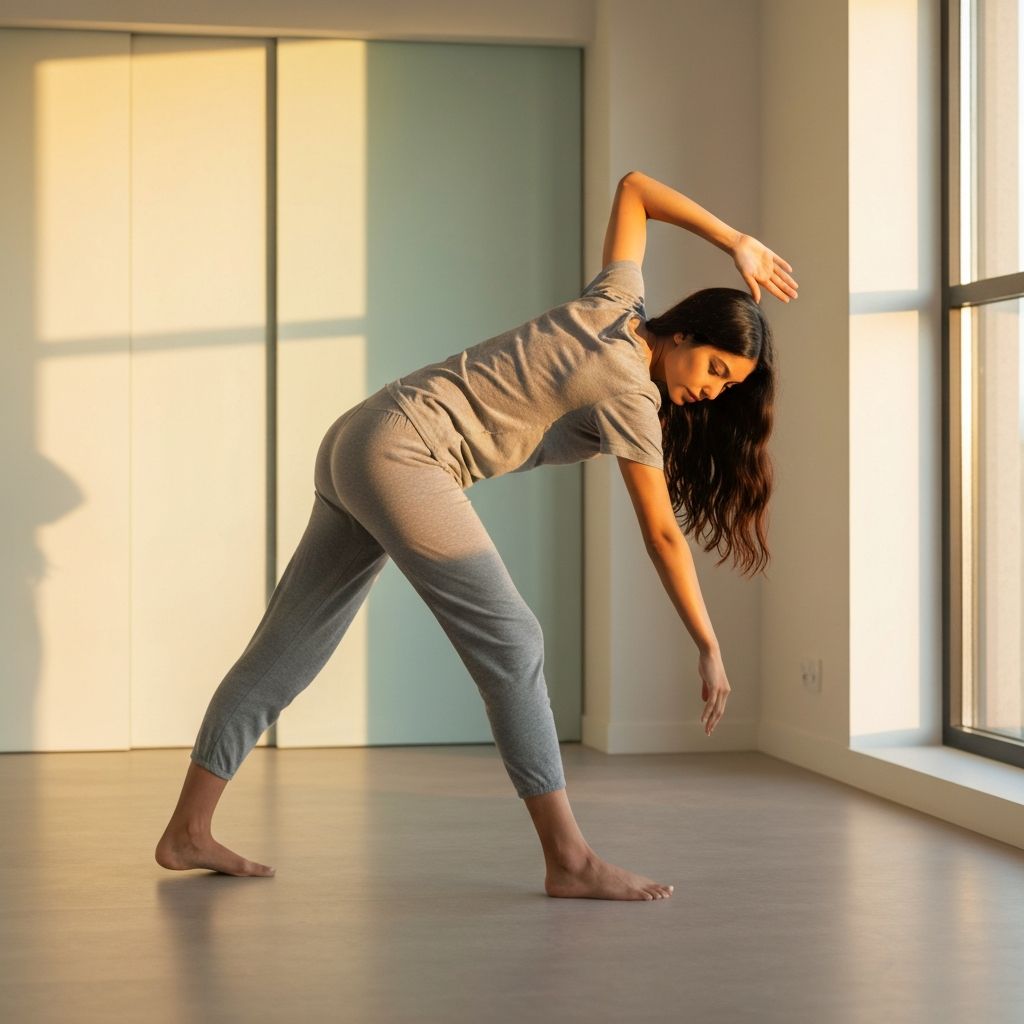
Stretching is a common practice that many people incorporate into their daily routines. Gentle stretches can be performed at various times throughout the day, including morning, during work breaks, and before bed.
Different stretching approaches include static stretching (holding a position), dynamic stretching (movement-based), and assisted stretching (using props or equipment).
Many people find that incorporating brief stretching breaks throughout the day helps them maintain comfort during prolonged sitting or standing activities.
Stretching practices vary widely, and individual flexibility and comfort levels differ. This information describes common approaches and does not replace personalized guidance.
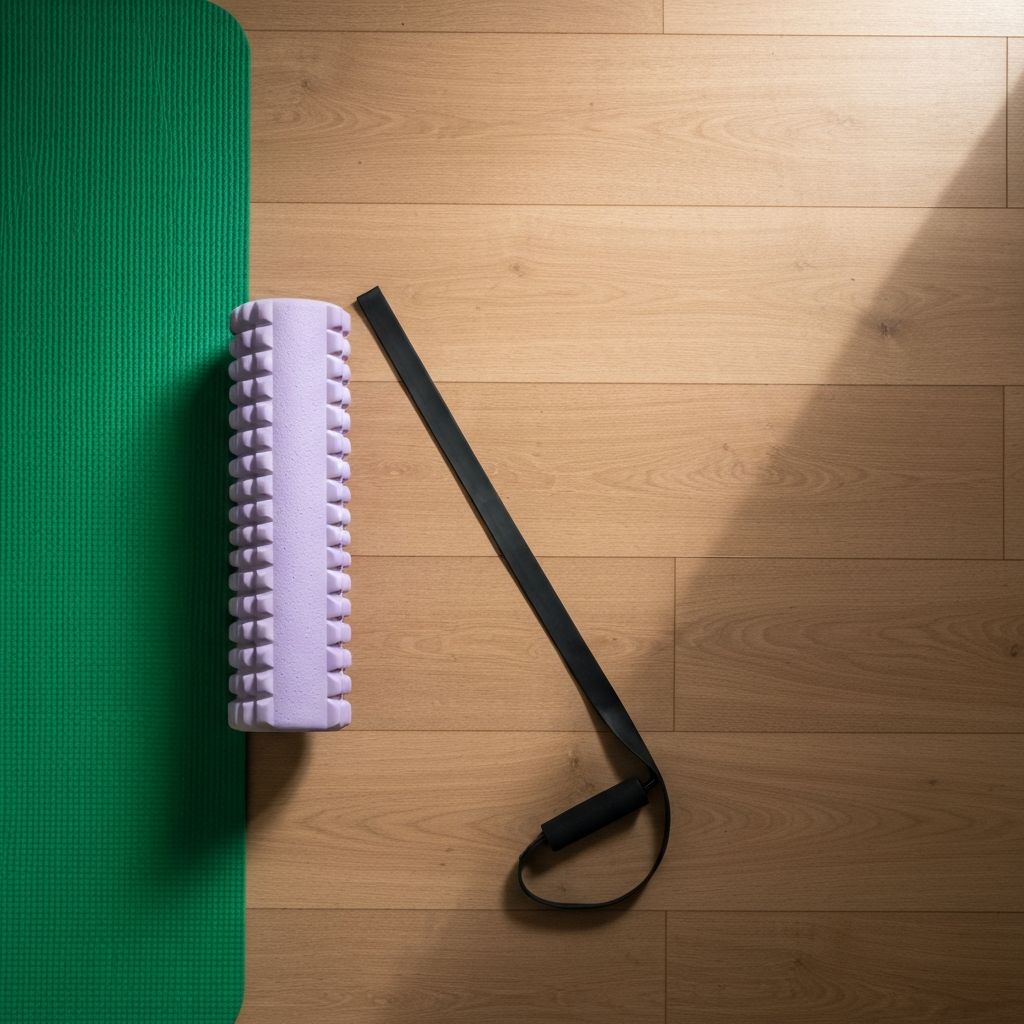
Some people choose to use simple equipment in their home exercise routines. Below is general information about commonly mentioned items.
A yoga mat provides cushioning and grip for floor exercises. Mats come in various thicknesses and materials, and many people use them for stretching, yoga, and general exercise.
Foam rollers are cylindrical tools used for self-massage and mobility work. They are commonly mentioned in fitness resources as tools for muscle release and flexibility.
Resistance bands are elastic bands used to add resistance to exercises. They come in various tension levels and are portable, making them popular for home use.
Equipment preferences vary among individuals. Many posture and stretching routines can be performed without any equipment. This information describes commonly available items and does not constitute specific recommendations.
Posture refers to the position in which someone holds their body when standing, sitting, or lying down. Good posture involves training the body to stand, walk, sit, and lie in positions where the least strain is placed on supporting muscles and ligaments. Different cultures and disciplines have varying perspectives on optimal posture.
Exercise frequency varies widely among individuals. Some people incorporate brief posture awareness moments throughout their day, while others dedicate specific time to stretching and mobility routines. Common approaches include morning routines, work break stretches, and dedicated exercise sessions. Individual schedules and preferences determine what works best for each person.
Many posture and stretching exercises can be performed without any equipment. Items like yoga mats, foam rollers, and resistance bands are optional additions that some people find helpful. The decision to use equipment depends on individual preferences, available space, and specific exercise approaches.
Many factors can influence posture, including daily habits, work environment, physical activity levels, and individual body characteristics. Prolonged sitting, screen use, and repetitive movements are commonly discussed in relation to posture. Awareness of these factors is often the first step in understanding personal posture patterns.
Information about posture and movement is available from many sources, including fitness professionals, physical education resources, yoga and Pilates instructors, and general wellness publications. Libraries, community centers, and online platforms offer various educational materials on these topics.
Continue learning about posture, stretching, and daily comfort techniques through our educational resources.
Learn More About Us Explore RoutinesHave questions about our educational content? Feel free to reach out.
Address:
Václavské náměstí 24, Prague, Czechia
Phone:
+420 605 832 764
Email:
[email protected]
Educational content only. No medical services. No promises of outcomes.
For those interested in learning more about posture, movement, and general wellness, many resources are available:
This educational website aims to provide general information about posture-related topics. For personalized guidance, consulting with qualified professionals is always an option.
Read Detailed Instructions